A Start-up Tale
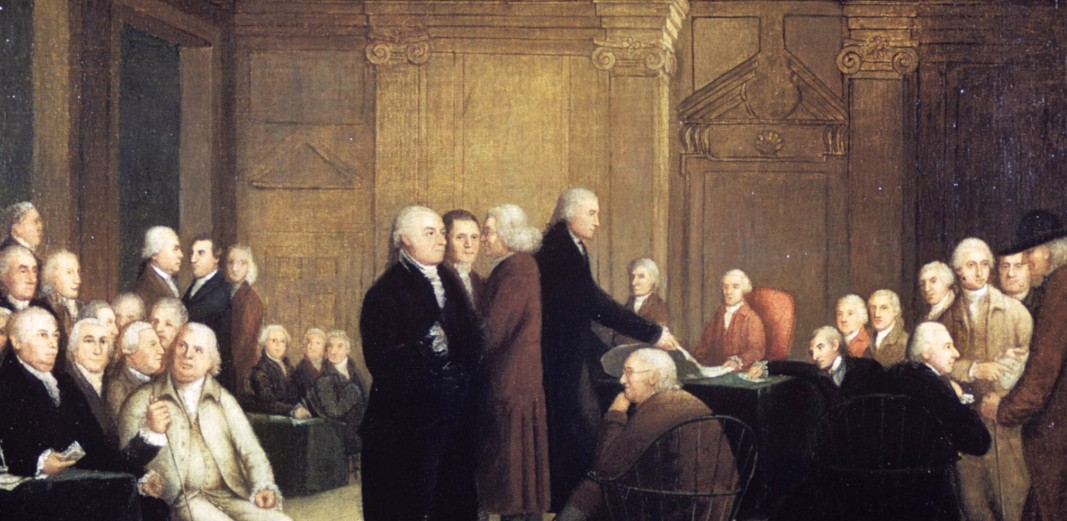
Here’s a case study: a bold startup launches in a brutally competitive market. It has limited infrastructure, internal squabbling, no real operational framework, and zero margin for error. It does have arcane bylaws and operating agreements that only seem to impose order on meetings, decisions of any kind are a long and drawn-out process in the best of times.
The CEO is brilliant and indispensable but hamstrung by political infighting and the indecision(s) of the board. His two top officers quietly plot against him, soon it will be openly. A volatile manager pulls off game-changing wins that save the company in its first year of operation, only to be constantly snubbed, defamed, and, eventually, targeted for downsizing. In the meantime, political appointees are promoted over him.
The company is under pressure from every direction. A member of the Board, world famous for his other pursuits, is attempting to enter into a company-saving business agreement with an offshore conglomerate but it’s slow going.
The rest of the board rarely visits operations and spends most of its time in headquarters debating issues that have little immediate impact. When they cannot pay the bills, the CFO performs magic to secure funds.
The CEO, caught up in day-to-day operations, avoids politics entirely. The two top officers share a title but not a strategy—each is convinced the company would be better off under their leadership. They court the board.
A year after it was formed, the Board finally publishes its bylaws. A few months later, the volatile manager executes an audacious product launch that saves the company from the brink. It’s a turnaround no one expected—and one that the Machiavellian officer immediately claims credit for in yet another attempt to get the CEO’s job.
When the manager pushes back, he is isolated, passed over for promotion again, and placed under review. With no formal grievance procedure or protections in place, the fallout is swift. Six peers are promoted over him. Leaks to the press begin.
The manager snaps. He initiates a deal with the company’s largest competitor to hand over proprietary information—a move that would devastate the business. He’s stopped at the last moment by sheer luck but he still joins the competition with devastating effects to some of the company’s properties.
The officer who tried to push him out is disgraced. The other bungles his chance at credibility and self-destructs.
The board finally puts structural changes in place. Agreements are written. Governance is tightened. The CEO is solidly entrenched. The quiet but brilliant CFO—long overshadowed but indispensable—steps in to keep the company afloat. When every financing option is exhausted; he funds the entire enterprise from his own fortune and on his sterling credit.
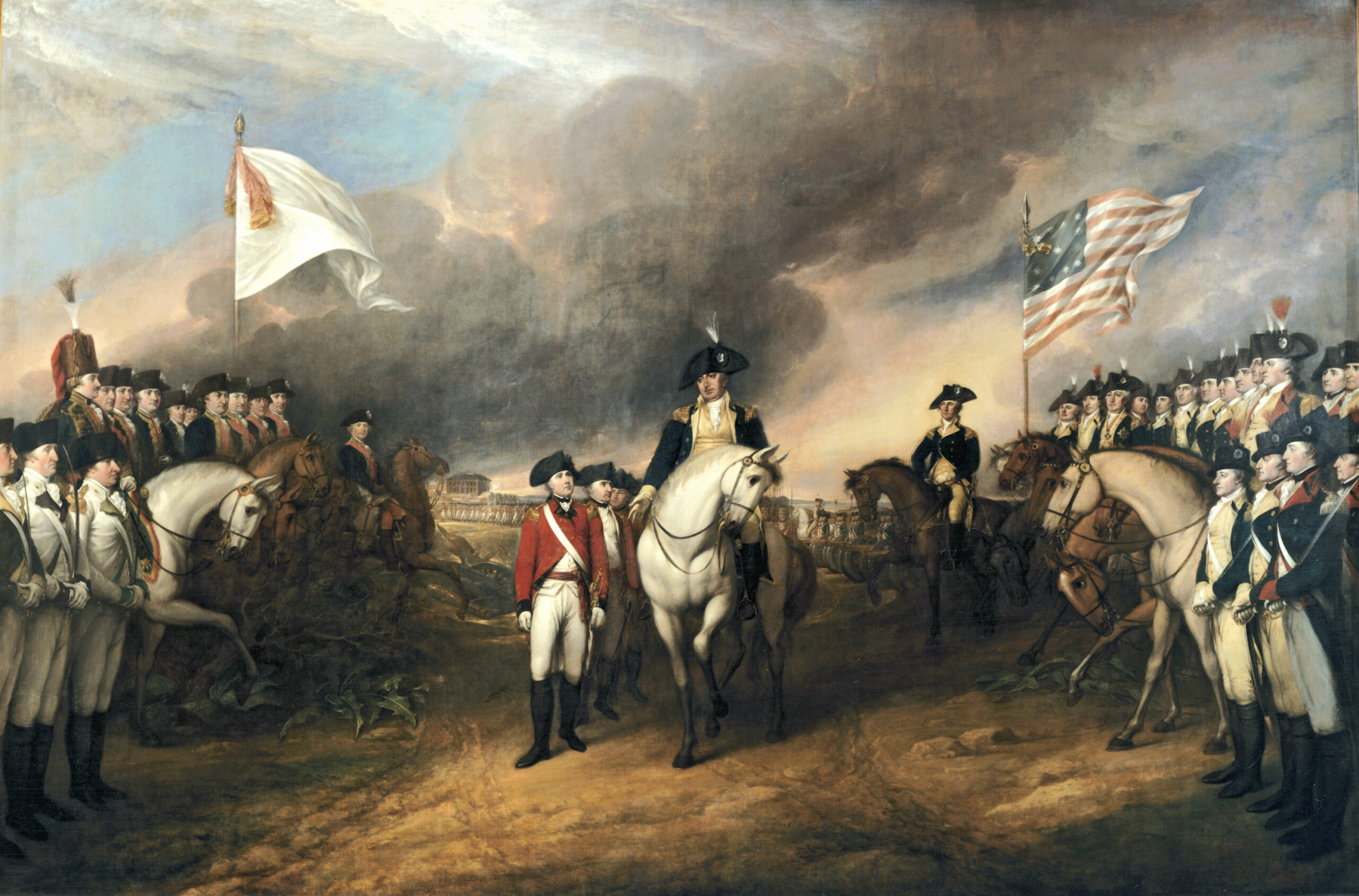
The company, of course, is the United States circa 1775-77.
The CEO: George Washington. The board: Continental Congress. The plotting officers: Horatio Gates and Charles Lee. The “world famous” member of the board; Benjamin Franklin. The volatile manager: Benedict Arnold. His early “game-saving wins:” Valcour Island and the relief of Ft. Stanwix.* The product launch that saves the company: Saratoga. The brilliant financial officer who saved the operation: Robert Morris.
America’s origin story wasn’t clean or elegant—it was chaotic, rushed, and almost undone by its own lack of planning. What saved it wasn’t foresight, but improvisation, luck, and a few people willing to step in and fix what hadn’t been built right the first time.
* We should all probably be thankful that Benedict’s new boss, Lord Cornwallis, listened to him as much as his old—he warned Cornwallis that Yorktown was a trap that he would not survive.
Joey is Back!
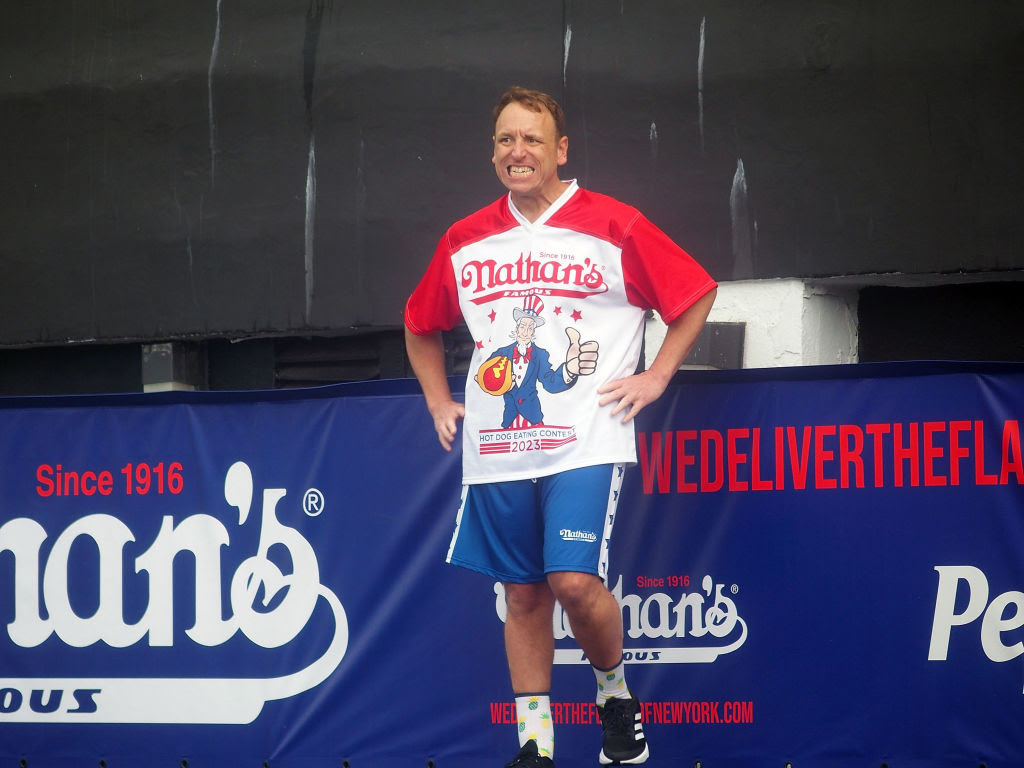
The sports world was rocked last June when it was announced that a 16-time champion would not be allowed a shot at 17. It was a sad day in Major League Eating history when the League announced that the King of Hot Dog was banned from competing in Nathan’s Famous Hot Dog Eating Contest on July 4th.
Before June 11, 2024, Joey Chestnut and Nathan’s Famous Hot Dog Eating Contest were synonymous. He is the contest’s biggest star, having won every year since 2016.
In 2021, he set a world record when he ate 76 hot dogs and buns in 10 minutes in front of 40,000 spectators and two million viewers on ESPN.
He is by far America’s most high-profile competitive eater—but he won’t be doing it on July 4th in Coney Island.
Chestnut’s contract with Nathan’s expired earlier this year. They were in the middle of negotiating a new one that would provide Joey with a base salary of $300,000/yr for the next four years. Negotiating, that is, until it was revealed that he had signed a lucrative endorsement deal with the plant-based company Impossible Foods.
Joey had agreed to endorse Impossible Foods product lines including its new plant-based hot dog. That was a dealbreaker for Nathan’s as they consider plant-based hot dogs to be competitors. They did ask Joey if he could renegotiate his Impossible Foods contract to exclude the hot dog—Nathan’s had no problem with Joey endorsing every other plant-based food in the Impossible arsenal.
For their part, Impossible was fine with Joey repping their hot dog along with Nathan’s, stating, “We love Joey and support him in any contest he chooses. It’s OK to experiment with a new dog. Meat eaters shouldn’t have to be exclusive to just one wiener.” But they would not make the exclusion—after all, Joey is hot dogs.
Words to live by . . . as are these: when negotiating with your “old” company, don’t make assumptions. Have your attorney check everything out first. Joey Chestnut assumed he’d be invited to defend his crown—the one he has undoubtedly given years of his life for—regardless of what he did or, what he endorsed. He probably also assumed that plant-based hot dogs were no threat to Nathan’s Famous Hot Dogs.
It was announced last week that Joey signed a new contract with Major League Eating and will be returning to Coney Island Friday. The streak is dead, but Joey’s back!
Founding Attorney
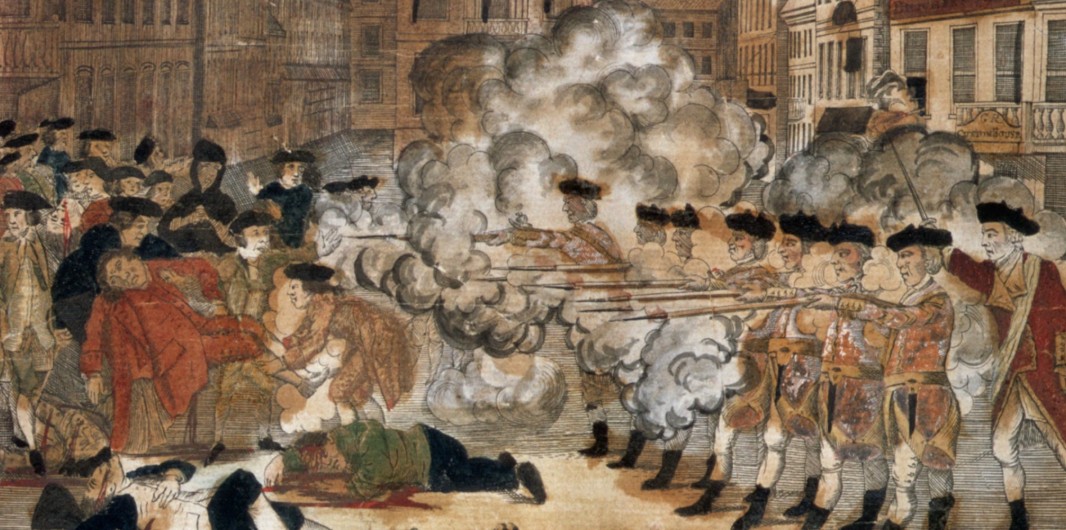
Another July 4th week dip into law and the Founders, this time with patron saint of American criminal defense attorneys: John Adams.
Not John Adams the envoy to France, co-author of the Declaration of Independence, second President of the United States, crotchety old guy, or star of the HBO mini-series.
This is about John Adams as the often-overlooked attorney. We’re talking about John Adams the lawyer in the decade before the Revolution. The John Adams who, in 1768, successfully defended Samuel Quinn on a capital rape charge in Worchester, Massachusetts. The courts in Massachusetts in the 18th Century were hardly know for fairness or compassion so it’s not surprising that Quinn would later write “God bless Mr. Adams. God bless his Soul I am not to be hanged, and I don’t care what else they do to me.”
John Adams had a pretty solid grasp of the need for attorneys to advertise, this quote survives because Adam’s cited it, often. He might have put it on a billboard overlooking Faneuil Hall had they existed at the time.
The case that makes John Adams the patron saint of American criminal defense attorneys is the Boston Massacre.
Quick background: on March 5, 1770, an argument over a debt between a British sentry and a wigmaker’s apprentice in front of the Boston Custom House escalated until a mob surrounded the small group of British soldiers who came to their comrades’ aid. Words were viciously exchanged along with snowballs, ice, spit, stones. At some point the soldiers fired into the crowd, killing five and wounding six.
The British officer, Captain Thomas Preston, and his eight men were arrested early the next morning. On March 27th they were indicted on murder charges.
By that time, John Adams’ cousin Samuel Adams, the firebrand revolutionary (and, yes, brewer), had already branded the incident The Boston Massacre. Worse for the defendants, Paul Revere published a woodcut – reproduced everywhere in a 1770s version of going viral – that was as wildly inaccurate as it was lurid. The kind of image no potential juror was ever likely to forget.
In 1770, John Adams was hardly a Loyalist. He also wasn’t quite a revolutionary yet, but he very much distrusted the British Crown and most of their American policies. Most of his relatives—especially Sam—and friends were members of the Sons of Liberty. John was about to run for public office and was trying to build a successful law practice, very much needed to support Abigail and four children under age 5.
Yet, when asked, he agreed to represent Captain Preston and his men. The decision “procured me Anxiety, and Obloquy enough.” His co-counsel was Josiah Quincy, Jr., a fire-breathing revolutionary and founding member of the Sons of Liberty.
Quincy’s father nicely summed Boston’s feelings about the defense in a letter just before the trial, “I am under great affliction, at hearing the bitterest reproaches uttered against you, for having become an advocate for those criminals who are charged with the murder of their fellow-citizens. Good God! Is it possible?”
Adams and Quincy risked their legal careers and futures in Boston to represent British soldiers that virtually everyone in the city, themselves very much included, believed had no business being there in the first place.
Why? To prove to the world—and most especially Great Britain—that in the American Colonies . . .
. . . [Defensive] Council ought to be the very last thing that an accused Person should want in a free Country. That the Bar ought in my opinion to be independent and impartial at all Times And in every Circumstance. And that Persons whose Lives were at Stake ought to have the Council they preferred: But he must be sensible this would be as important a Cause as ever was tried in any Court or Country of the World: and that every Lawyer must hold himself responsible not only to his Country, but to the highest and most infallible of all Trybunals for the Part he should Act.
Captain Preston and all but two of his men were acquitted. Those two were convicted of manslaughter, their thumbs were branded with a “M” and they were released.
There’s a story, probably apocryphal (but we chose to believe it), that after the soldiers were acquitted an acquaintance ran up to the defense table to congratulate Adams but stopped short when he saw his unhappy face.
“Why aren’t you pleased, John?” He asked, “Surely they are innocent of the charges.”
“They are,” Adams replied, “but they are still guilty of being British soldiers.”
He found his clients odious; it didn’t matter one bit. Every day, horrible people are accused of horrible crimes they didn’t commit, and good people are accused of horrible crimes they did commit, and others are somewhere in the middle. None of that matters. What matters is that they get the same representation those British soldiers got in 1770.
The SS United States Won’t Die

She just won’t go away and we’ve decided to stop writing “Final Updates” until we can post images of the SS United States taken by scuba divers a hundred feet under the Gulf.
That’s right, the United States has yet another reprieve. In May, a New York-based coalition filed suit in the Northern District of Florida (Case No. 3:24-cv-10740), aiming to block Okaloosa County’s plan to sink the ship as an artificial reef off the Gulf Coast.
The suit claims the reefing plan was developed without adequate public notice and violates federal preservation laws. Okaloosa County’s attempt to dismiss the case was denied, meaning the dispute will move forward—and so will the ship’s improbable legal life.
The SS United States set speed records across the Atlantic that still stand. She almost certainly holds another that will never be broken: she’s kept more lawyers, preservationists, counties, creditors, and courts busy for longer than any other ship not named the SS Central America. (Check out Ship of Gold in the Deep Blue Sea by Gary Kinder).
A Final Update That is Final

Karen Read was acquitted of all the serious counts against her earlier this month . . . proving that electronic/digital evidence does not speak for itself.

Don’t Miss an Issue
Haven’t subscribed yet? Agree with Homer? Then don’t miss another issue, subscribe now. And . . . if you know someone who may enjoy this, please feel free to forward this issue to them.