About Video Review
We’re in the midst of an unprecedented number of football games. The expanded NCAA playoffs and the NFL’s ‘Almost Everyone is Invited’ playoffs have dominated the TV and ratings landscape over the last month and it won’t end until February.
You don’t need to be a big fan, they’re unavoidable – they’re in the background like Muzak in an elevator.
If you pay even the briefest of attention to any game, any time, you have heard the same tired explanation of the NFL and NCAA’s video review rules – something like “the call on the field can only be overturned by indisputable visual evidence.”
The odds are also overwhelming that you’ve caught at least one ‘raging controversary’ over a video replay that the refs clearly got wrong on the field but video review couldn’t overturn because there wasn’t any “convincing visual evidence.”
Quick aside: here’s an old trial story usually attributed to Abraham Lincoln, who was a top-tier trial lawyer before, well, you know. The story goes like this:
A man stood accused of biting another man’s ear off in a saloon brawl. During cross-examination, the defense attorney questioned the prosecution’s star witness:
“Mr. Jones, it was dark in the saloon, wasn’t it?”
“Yes, it was.”
“And things were chaotic with all the fighting?”
“Yes, they were.”
“Mr. Jones, I put it to you that you did NOT actually see the defendant bite the man’s ear off, correct?”
“Well, yes.”
“Then, Mr. Jones, why did you testify that the defendant bit the man’s ear off?”
“Because I saw him spit it out.”
This story is usually used to [perfectly] illustrate the cardinal rule of litigation: never ask a question you don’t know the answer to.’ It does that, but it also perfectly illustrates the absurdity of the NCAA and NFL’s replay review process.
How absurd? Let’s just say that in the NCAA and NFL if “the call on the field” missed the biting of the ear, the call would not be overturned because the pure logic of seeing an ear on its way to the ground would not be considered “indisputable visual evidence.”
The NFL and NCAA’s review policies do not invite the use of logic. by anyone involved. Their standard for overturning a call means that unless a replay shows a mistake with absolute clarity, the original call stands—even when every fan, player, and coach watching can see the call is wrong. Replay officials are effectively barred from using logic, experience, or common sense to interpret the game.
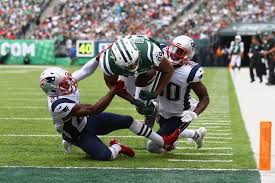
If you follow an NFL or NCAA team you surely have your own story of a ridiculous, illogical call that cost your team dearly. Larry David, an ardent Jets fan, wrote a 2021 episode of Curb Your Enthusiasm around the “Austin Seferian-Jenkins catch” and a call that is still debated.
A major international rugby tournament just ended in Europe a month or so ago. All the games were on Peacock. The way international rugby handles reviews is startling to anyone steeped in American football. Rugby employs an integrated approach to video review. The Television Match Official (TMO) system allows for continuous review, even as play progresses. TMOs are almost all former players with a deep understanding of the game. They collaborate with the on-field referee to make informed decisions. In real time. Live. Their deliberations are broadcast to the viewing audience and to the stadium – as they occur.
Imagine hearing this over the PA at a Giants game, “I’m inclined to call that a touchdown unless you can convince me otherwise.” Never, of course. But in rugby, a common occurrence.
The TMO system emphasizes the spirit of the game, applies common sense, keeps the game moving, and informs everyone of what’s going on throughout the decision-making process.
This also perfectly describes how we work for and with our clients.
Read the Contract . . .
. . . especially if you’re an attorney. This is a perfect illustration of ‘always read the contract all the way through.’ Or, in this case, at least the headings. The lawyer in question didn’t read his ‘Appearance Agreement” with the Nathan For You Show or he would have picked up on the clause where he agreed to take legal responsibility for any lawsuits arising out of the episode.
Unlike most of us, the lawyer was able to snatch the agreement away and pretend it never existed.
One more thing: if you’re ever asked to appear on a show, it’s best to actually watch a few episodes first. Asking Nathan Fielder if he’s a satirist is like asking if the sun will rise in the east tomorrow morning.
Kroger & Albertsons is Now Albertsons v. Kroger
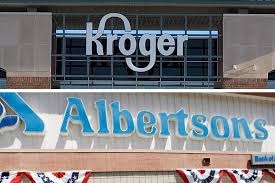
The $24.6 billion merger between Kroger and Albertsons was supposed to reshape the grocery landscape, creating one of the largest supermarket chains in the U.S. Instead, it has devolved into a cautionary tale for businesses about the perils of vague contractual language and the importance of clear planning in high-stakes deals.
At the center of the dispute is a $600 million termination fee and the thorny question of what it means to act in “good faith” and use “best efforts” to close a deal.
Announced in October 2022, the merger faced immediate regulatory scrutiny. The Federal Trade Commission (FTC) and other agencies raised concerns about its potential impact on competition, prompting months of reviews, negotiations, and attempts at concessions.
In December 2024, a federal court effectively blocked the merger, citing antitrust concerns and the risk of reduced competition. Albertsons responded by terminating the agreement and filing a lawsuit in the Delaware Court of Chancery, alleging that Kroger failed to fulfill its contractual obligations to secure regulatory approval.
The stakes are high: Albertsons is seeking the $600 million termination fee and additional damages, claiming Kroger’s actions sabotaged the merger.
Albertsons’ case hinges on a clause that required Kroger to use “best efforts” and act in “good faith” to ensure the deal went through. This type of language, while common in contracts, can create significant legal ambiguity.
Albertsons contends that Kroger’s efforts to address regulatory concerns—such as proposing inadequate divestiture plans—fell short of these obligations. They argue that Kroger’s actions were either negligent or strategically insufficient, amounting to a breach of the agreement.
Kroger, on the other hand, denies the allegations, asserting that it made every reasonable effort to comply with the terms and that regulatory hurdles ultimately derailed the merger.
The Kroger-Albertsons saga is a reminder of how critical clear contractual language is—especially in complex, high-stakes transactions. Here are some takeaways for businesses:
- Be Specific About Obligations: Vague terms like “best efforts” or “good faith” leave room for interpretation. Instead, define specific actions and benchmarks to avoid disputes.
- Plan for Regulatory Risks: In deals likely to attract scrutiny, outline a detailed roadmap for addressing potential concerns, including clear responsibilities for each party.
- Understand What’s at Stake: Termination fees and other penalties should be tied to clearly defined conditions, ensuring accountability without creating traps for one party.
- The outcome of this case will likely turn on how the court interprets the “best efforts” and “good faith” clauses. Was Kroger’s handling of regulatory challenges sufficient under the agreement? Or did its actions—or inactions—breach its obligations?
- Whatever the court decides, the lessons for business leaders are already clear.
- Contracts aren’t just legal documents—they’re blueprints for accountability. In complex transactions, clarity and foresight aren’t just nice to have; they’re the foundation for success.
We help businesses navigate the intricacies of contracts, mergers, and disputes. Whether you’re drafting an agreement, planning a major deal, or facing a legal challenge, our team is here to ensure your business stays on course. Reach out today to learn how we can help you plan for success.
Jeopardy Rubs It In
In our last newsletter, we used a recent The Athletic expose of the New York Jets as a metaphor for [how not to] running a family business. About the same time we we finishing the piece, unknown to us, Jeopardy was quite literally stomping on the Jets grave with this:
Don’t Miss an Issue
Haven’t subscribed yet? Agree with Homer? Then don’t miss another issue, subscribe now. And . . . if you know someone who may enjoy this, please feel free to forward this issue to them.